

4 products
-
Telescopic Handrail
 Vendor:Telescopic HandrailSmirthwaite
- Regular price
-
£115.00 - Regular price
-
- Sale price
-
£115.00

Collection Description
Children's bathing products for disabled children are products designed to make bathing safer, more comfortable, and more accessible for children with physical, developmental, or medical needs. The right product depends on the child's age, size, mobility, muscle control, and any medical equipment they use.
Common types include:
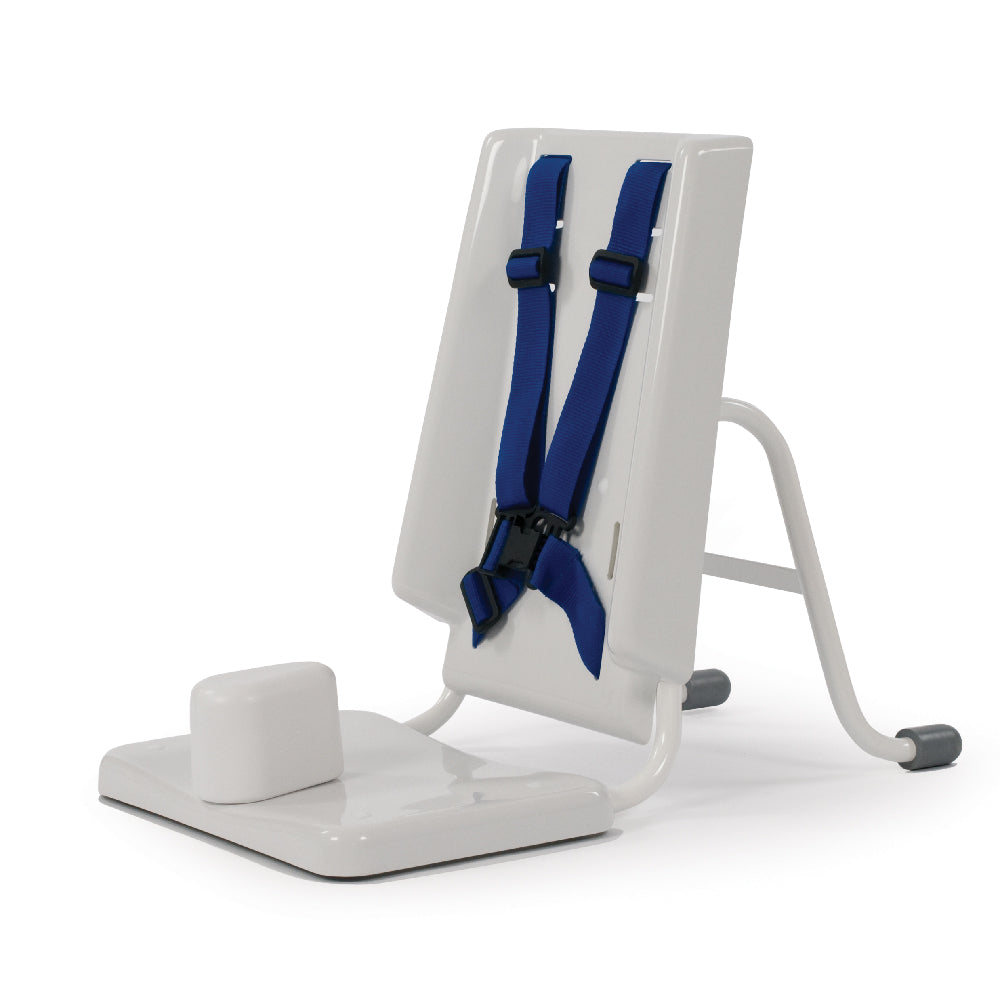
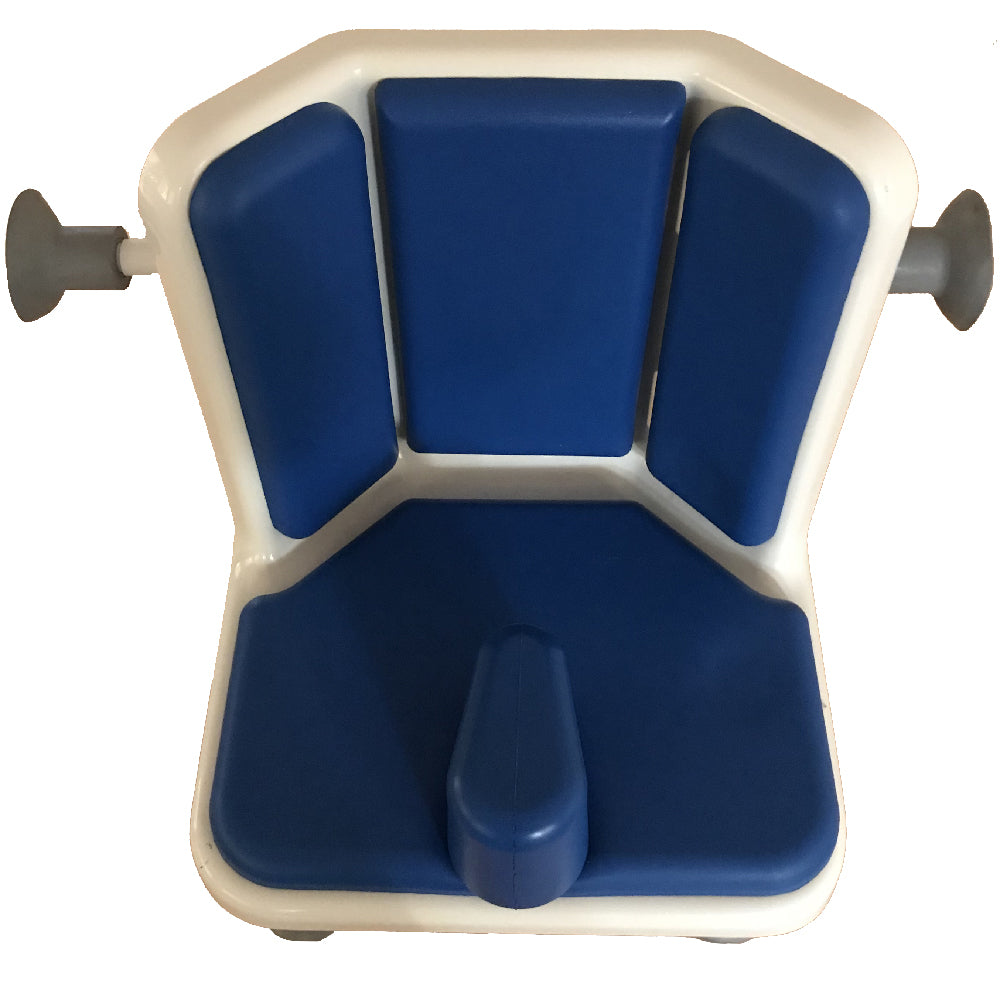
- Bath seats and bath chairs: Provide support for children who cannot sit independently. Many have adjustable backrests, head supports, harnesses, and non-slip feet.
- Bathing systems: Complete bathing solutions that may include a reclining frame, padded support, and adjustable positioning for children with more complex needs.
- Transfer benches: Help caregivers move a child safely into and out of the bathtub by allowing the child to slide across the bench instead of stepping over the tub edge.
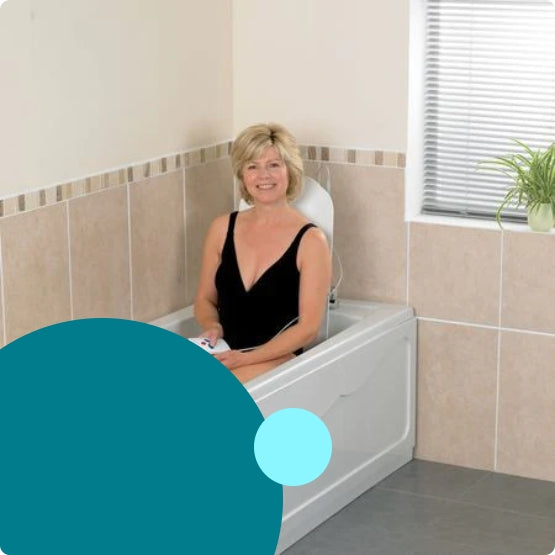
- Bath lifts: Mechanical or powered devices that lower and raise a child into the bathtub, reducing lifting for caregivers.
- Shower chairs: Waterproof seating for children who bathe using a shower rather than a bathtub.
- Support cushions and positioning wedges: Soft, waterproof supports that help maintain a safe and comfortable bathing position.
- Non-slip bath mats and strips: Reduce the risk of slipping in the bathtub or shower.
- Handheld shower heads: Make it easier for caregivers to rinse a child while keeping them supported.
- Temperature indicators: Floating thermometers or color-changing devices that help ensure the water is at a safe temperature.
- Bath toys designed for accessibility: Toys with easy-to-grip handles, large buttons, or sensory features for children with limited hand function or sensory needs.
These products can benefit children with conditions such as:
- Cerebral palsy
- Muscular dystrophy
- Spina bifida
- Autism spectrum disorder (when sensory adaptations are helpful)
- Down syndrome
- Spinal cord injuries
- Other conditions affecting mobility, balance, or muscle control
When choosing a bathing product, consider:
- The child's weight and height.
- The level of head, trunk, and leg support needed.
- Whether the product fits your bathtub or shower.
- Ease of cleaning and drying.
- Safety features such as harnesses, anti-slip materials, and secure locking mechanisms.
- Whether the product can be adjusted as the child grows.
Many pediatric occupational therapists and physiotherapists can recommend bathing equipment that matches a child's specific needs, and in some regions, funding or insurance may help cover the cost of prescribed adaptive bathing equipment.